Table of Content
This is a good sign you’ve used enough acetone. I Can’t Take My Eyes Off Cardi B’s Bright Yellow Holiday ManicureThere are no rules when it comes to holiday nails. Cuticle stick, dental floss, and someone to assist. Neon nails, you can take your pick from different removal options. Pour 100 percent acetone into a large Ziploc baggie, filling it up just enough to be able to fully submerge your nails.
Both methods will work wonders at breaking down the acrylic. If your time is up and the acrylic hasn’t softened, soak your nails for an additional 5-10 minutes. Remember I mentioned this required time and patience? Don’t rush the process, otherwise, you’ll end up right where you started. Follow these simple steps to ensure the safe removal of your acrylics without damaging your natural nails.
Step 5: Place a Towel on Top of Your Soaking Hand
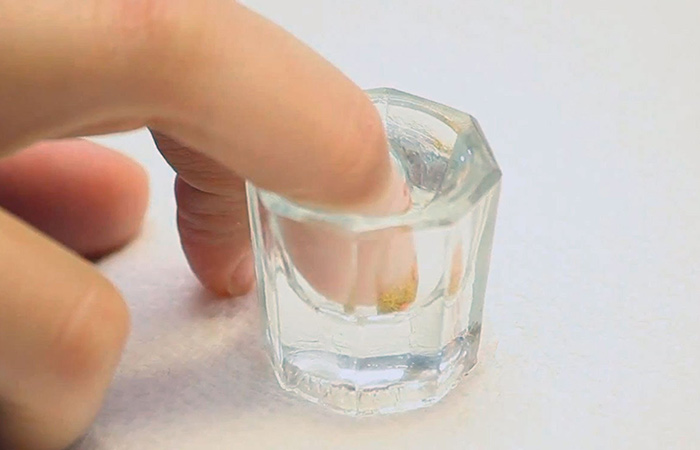
HuffPost reached out to Spifster Sutton, a Chicago-based nail artist with a wealth of knowledge about nail, hand and acrylic maintenance for some guidance. Lift the base of the nails gently with the cuticle stick. If the nails are on the verge of coming off, you won’t need much effort to execute this. Dip your fingers into it and leave for 20 to 30 minutes.
When you remove the wraps, the gel will be partly lifted from the nail. Use an orangewood stick to gently push the gel off your nail. With a coarse file, remove about a third of the gel. “Filing lets the acetone penetrate through the rest of the gel, which makes the soak-off easier,” Ms. Boyce said. If you have hard gel, you’ll need to file down about half of the gel.
Step 4 Soak:
Sritapan recommends using a 180 grit file, which is agrainer, thicker file that will wear down the chunky acrylics. Just be sure to avoid filing down to the natural nail, she says. Next, saturate a cotton ball with acetone nail polish remover and place it on top of and around your nail.

This will help to soften and loosen the acrylic nails. Many people find that soaking off the acrylic nails is more gentle than other removal methods and is less damaging to the nails and skin. The prying method is the least preferred option as it’s a more difficult and time-consuming process. This method requires using a metal tool to pry off the acrylic nails. This process can also damage the natural nails, so it’s best used as a last resort. Begin by gently buffing the surface of your nail until the solar dip begins to chip off.
How do you get solar dip off your nails?
Acetone-free nail polish remover is another option to remove your nails. Although the polish contains chemicals like ethyl acetate, isopropyl alcohol, and propylene carbonate, it is still less harsh than regular acetone. Cuticle oil is another healthier option, considering the oil has ingredients that will heal your nails instead of damaging them.

Once those have been applied, a strengthener can be added to the nail to help make it strong. Lastly, the technician will apply a natural nail base coat and finish with a high-quality gel polish. However, you should always be very careful when using rubbing alcohol on your nails and ensure that your skin does not come into contact with the rubbing alcohol.
Products So Good They Inspired People Who Never Write Reviews To Leave One
In those moments, you may have to literally take matters — and a nail file — into your own hands. If you're going to do all that, you should at least have some guidance, which we are happy to offer. The filing and acetone bath will leave your nails in a less than gorgeous state. Don’t fear, though, because you’re not done yet. Remove any remaining softened acrylic nail bits with a buffer.
Then wrap the nail with a piece of aluminum foil and let the soaking begin. Another great method for the removal of acrylic nails is by using dental floss. This thin string is useful for more things other than strengthening your teeth and gums. This method may damage your natural nails, so you must use it when your acrylics have already loosened. Warm water is always there to rescue you when it comes to things related to beauty. And that is why it is one of the methods of removing acrylic nails at home.
It’s also possible to remove them using an electric file, or an e-file, but these are best left to the professionals. “I do not recommend these for your own removal if you have not been trained to use them correctly,” says Kandalec. After the nails feel soft after soaking, use an orangewood stick to gently lift and remove what’s left of the acrylics. “Remove as much as possible without being too aggressive. Then, if you need it, soak for another five minutes and repeat,” says Sritapan. Use the nail file to gently file down the top layer of the acrylic nails, taking care not to file too aggressively as this can damage your natural nails.

Nail clippers, nail file, acetone nail polish remover, petroleum jelly, cotton balls and aluminum foil. Clip your nail extensions as short as possible. Using tweezers or cuticle stick, upraise your faux nails’ edges. Fill your bowl with some non-acetone nail polish. Submerge your finger and wait for thirty minutes.
Here, the right way to remove the four most common types of long-lasting manicure — soft gels, hard gels, acrylics and dip powder nails — quickly and safely. Once you’re all done removing your acrylics, give your hands and nails some extra TLC. “Aftercare removal is key to healthy nails,” says Edwards. Follow up with a strengthening nail treatment and hand lotion to maintain strength and hydration, and alas, you’ve officially nailed it—cheesy pun intended. We hate to break it to you, but you're going to be losing a lot of your length. Assuming you can't fill your acrylics at home by yourself (and assuming you wouldn't be reading this article if you could) cutting them is your best option.


No comments:
Post a Comment